
Building Better Period Care for People and Planet
Girlified pioneers sustainable menstrual hygiene across Africa. We upcycle post-harvest banana stem agro-waste into affordable, biodegradable, and chemical-free sanitary pads that keep menstruators confident while reducing plastic pollution.
Impact Snapshot
70,000+
Women impacted
100%
Plastic-free core
Health, Dignity, and Environmental Responsibility
Girlified was built around one belief: menstrual products should protect users and the planet at the same time. Our approach combines menstrual-health safety, affordability, and circular material innovation.
Menstrual Access Gap
Period poverty affects an estimated 500 million people globally. In Nigeria, cost barriers still prevent many menstruators from accessing safe products consistently.
Source context: public health studies, UNICEF and Girlified field insights.
Plastic Burden
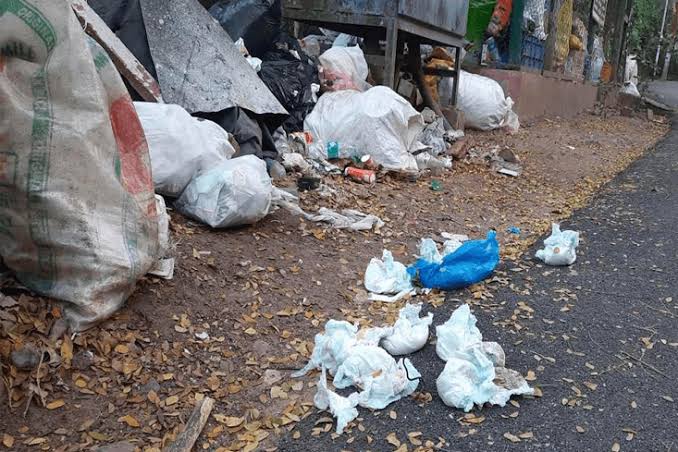
Many conventional pads rely on plastic-heavy absorbent layers. Reports from UNEP-linked lifecycle research indicate these materials can persist in landfills for centuries.
Source context: UNEP Life Cycle Initiative summaries.
Local Circular Opportunity
Agricultural residues like banana stem fiber can be transformed into high-value menstrual products, creating income pathways while reducing waste and emissions.
Source context: Girlified product model and circular-economy practice.
Addressing Period Poverty and Menstrual Hygiene
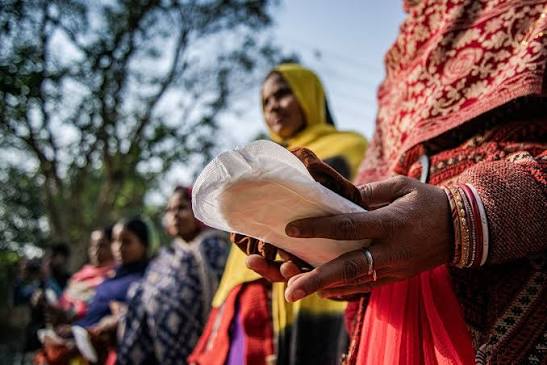
Globally, gaps in sanitation, affordability, and menstrual-health education continue to limit safe period management for millions of women and girls. These barriers influence school participation, work consistency, confidence, and long-term wellbeing.
In Nigeria, 37% of menstruators cannot afford menstrual products. In many cases, this means girls cannot attend school or carry out daily activities. Girlified addresses this challenge with a highly cost-effective, locally manufactured alternative built for comfort, dignity, and routine use.
From Agro-Waste to Safer Menstrual Care
The Girlified model combines climate action, research, and health-centered product design into one circular system focused on measurable social impact.
Source
Banana pseudo-stems and other plant fibers are recovered from post-harvest agro-waste streams, converting low-value biomass into useful raw material.
Engineer
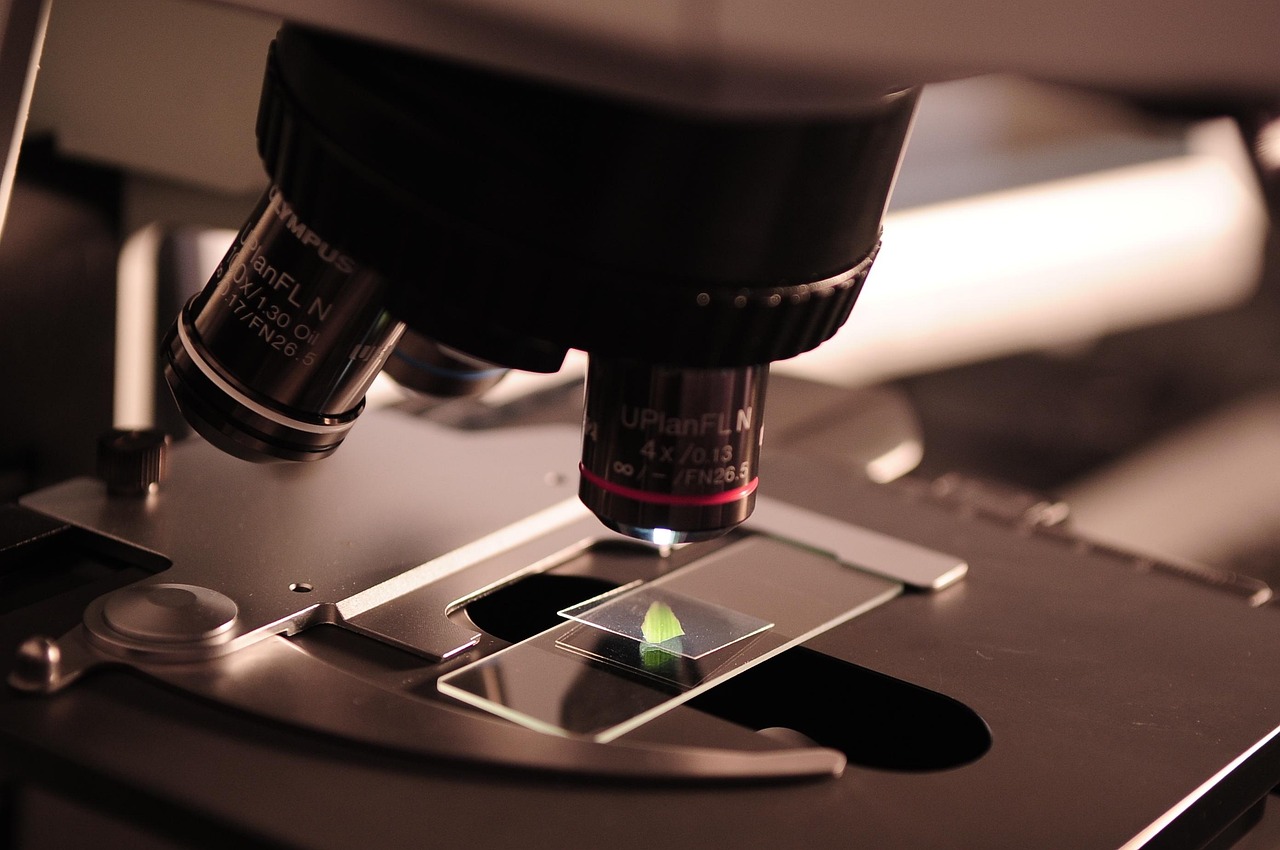
Through fibre-to-fluff R&D, plant-based absorbent cores are developed to replace plastic-dependent SAP layers while maintaining comfort and performance.
Scale
Localized production and community partnerships improve affordability, support menstrual-health access, and create jobs for women across value chains.
Building a Scalable African Menstrual Health Brand
Girlified has evolved from a research project into a scaling impact venture supported by cross-sector collaborations. Public updates cite expanded production capacity and a continued commitment to replacing plastic-intensive materials in everyday hygiene products.
Production progress: Public reports mention capacity expansion to about 30,000 sanitary napkins per day.
Material innovation: Ongoing fibre-to-fluff research targets broader replacement of unsustainable non-woven plastics.
Scale pathway: Partnerships across research, manufacturing, and ecosystem financing are being used to accelerate reach across Africa.
Built for Everyday Users and Ecosystem Partners
Students & Young Women
Affordable, reliable pads help reduce period-related school disruption and support confidence during daily routines.
Low-to-Middle Income Households
Cost-effective products make safer menstrual care more accessible where affordability is a major barrier.
Climate-Conscious Consumers
Users seeking lower-plastic, biodegradable options can align personal care choices with environmental values.
Combating Plastic Pollution in Menstrual Products
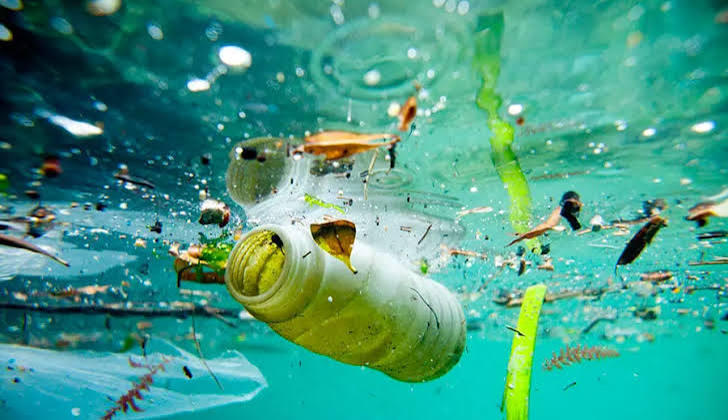
Conventional sanitary pads are often plastic-heavy, which contributes to long-lived waste streams. UNEP-linked lifecycle analyses highlight how single-use menstrual products can persist in landfill systems for hundreds of years and may contribute to microplastic leakage.
This is why Girlified focuses on plant-based absorbent innovation and local circular manufacturing — reducing plastic dependence while keeping products accessible for everyday users.
Introducing a Sustainable Solution
Girlified replaces the plastic-based Super Absorbent Polymers (SAP) core used in conventional napkins with upcycled plant fibers. Our research-backed combination of banana stem fiber and organic cotton is completely plastic-free and fully biodegrades within 6 months.
Agro-Waste Valorization: Upcycles discarded post-harvest banana stems, generating income for local farmers.
Safe & Gentle Core: Chemical-free, hypoallergenic materials eliminate skin irritation, friction rashes, and toxicity.
Designed for Scale: Local production and distributed partnerships help Girlified expand impact across schools, communities, and retail channels.
Pioneering Innovation in Africa
Girlified is one of the global pioneers in developing post-harvest plant-based sanitary napkins. Our team integrates cost-effectiveness, menstrual health safety, and microplastic prevention to support menstruators across Sub-Saharan Africa.