
Research & Development
Meet the Smart Pad
for earlier insight.
A modern sanitary solution that converts menstrual fluid into clinically relevant screening signals to support faster detection and better reproductive care decisions.
Non-invasive
Evidence-led
Designed for early screening
Your Period is a Window into Your Health
Over 50% of female fertility issues and gynecological conditions can be prevented or managed if caught early on. Yet, invasive procedures, pain, and high costs keep half a billion menstruators worldwide from tracking their health.
Menstrual fluid isn’t just waste blood. It is a rich, complex mixture of venous blood, endometrial cells, vaginal secretions, and molecular biomarkers (such as proteins, DNA, RNA, and metabolites). We translate this localized biological data into clear health metrics.
Why Test Menstrual Fluid?
Non-Invasive & Pain-Free: No needles or venipuncture required. Simply analyze fluid collected naturally.
Specific to the Reproductive Tract: Menstrual fluid provides direct, localized data from the uterine lining, offering better diagnostic resolution than peripheral venous blood.
Discreet & Accessible: Complete sample collection from the comfort and privacy of your home.
Early Screening Target Areas
We are developing diagnostic screening assays in collaboration with leading clinical researchers, focused on major reproductive health issues.
Endometriosis Screening
Menstrual fluid contains local inflammatory markers and genetic material related to endometrial cell activity. We analyze these to offer an easy, non-invasive screening alternative to surgical laparoscopy.
Cervical & Endometrial Cancers
Because menstrual blood contains naturally shed endometrial tissue, it serves as a rich source of biological data to check for cancer-specific DNA mutations, methylation patterns, and abnormal tumor markers.
PCOS & Hormonal Disruptions
We map localized hormone profiles, metabolites, and immune indicators in menstrual fluid to characterize Polycystic Ovary Syndrome and general hormonal imbalances.
Building Diagnostic Confidence Through Research
Our research team develops and validates Smart Pad assays under controlled lab conditions, pairing menstrual samples with biomarker analysis so screening insights stay accurate, safe, and clinically useful.
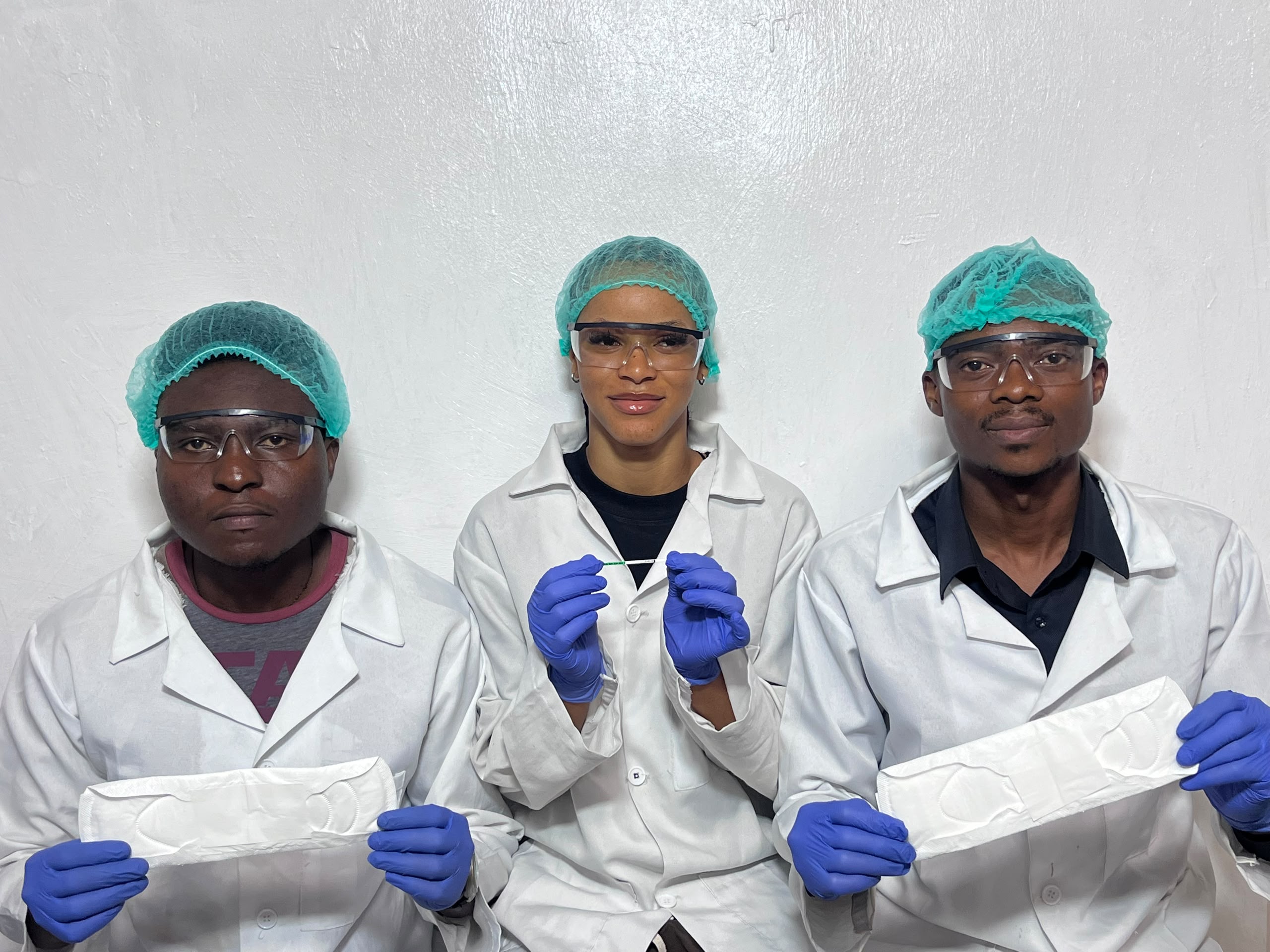
How Smart Pad Research Moves to Real-World Care
Our smart sanitary pad program follows a clear scientific pathway: identify biomarkers, validate assay performance, and translate findings into practical screening insights designed for everyday use.
PHASE 1
Biomarker Discovery
Map menstrual-fluid proteins, cell fragments, and metabolites linked to high-burden gynecological conditions.
PHASE 2
Clinical Validation
Benchmark smart-pad assay outputs against established diagnostic references to improve reliability and reproducibility.
PHASE 3
Screening Deployment
Package validated science into accessible workflows that support earlier risk signaling and clinical follow-up decisions.
Evidence-led development helps ensure Smart Pad insights remain useful, safe, and clinically meaningful.