
Girlified
Women and Girls Engagement / Focus Group Discussion
17 September 2022
12 min read
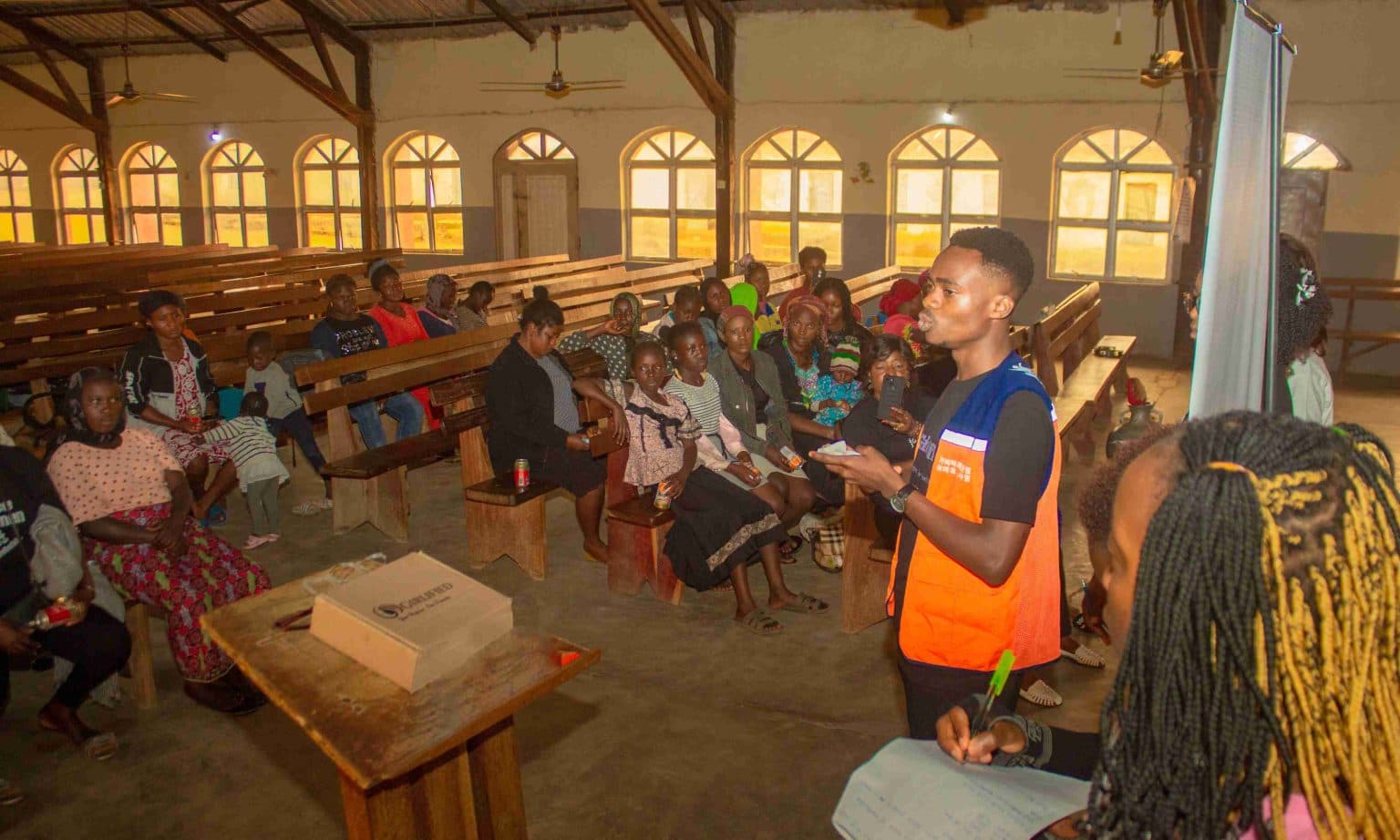
As a step further towards getting more feedback on our product and using the opportunity to engage more women and girls, we discussed with a total of 82 women and girls between the ages of 12 and 48, who are all residents of Rankyeng Village of Jos South LGA, Plateau State Nigeria. Rankyeng is a developing community where most families are either into farming or small-scale trading. Hence most of our participants were from low-income households.
Present to facilitate the discussion were 7 members of our team, two guys and 5 ladies who interviewed five separate focused groups while the guys coordinated the session. It was an hour's engagement where our co-founder, Oghenekevwe Emadago introduced the Girlified product and talked about our plastic reduction goal and our plan to continue to be in close contact with them—our potential customers.
Among the numerous things he spoke about, he emphasized climate action: “Plastic pollution is a serious issue that requires quick climate action and you all ladies seated here can join hands to make our fight against it a successful one.” We engaged them on several topics that border around sanitary pad use, their preferences and discomfort. Below are the reports from the five interviewers.
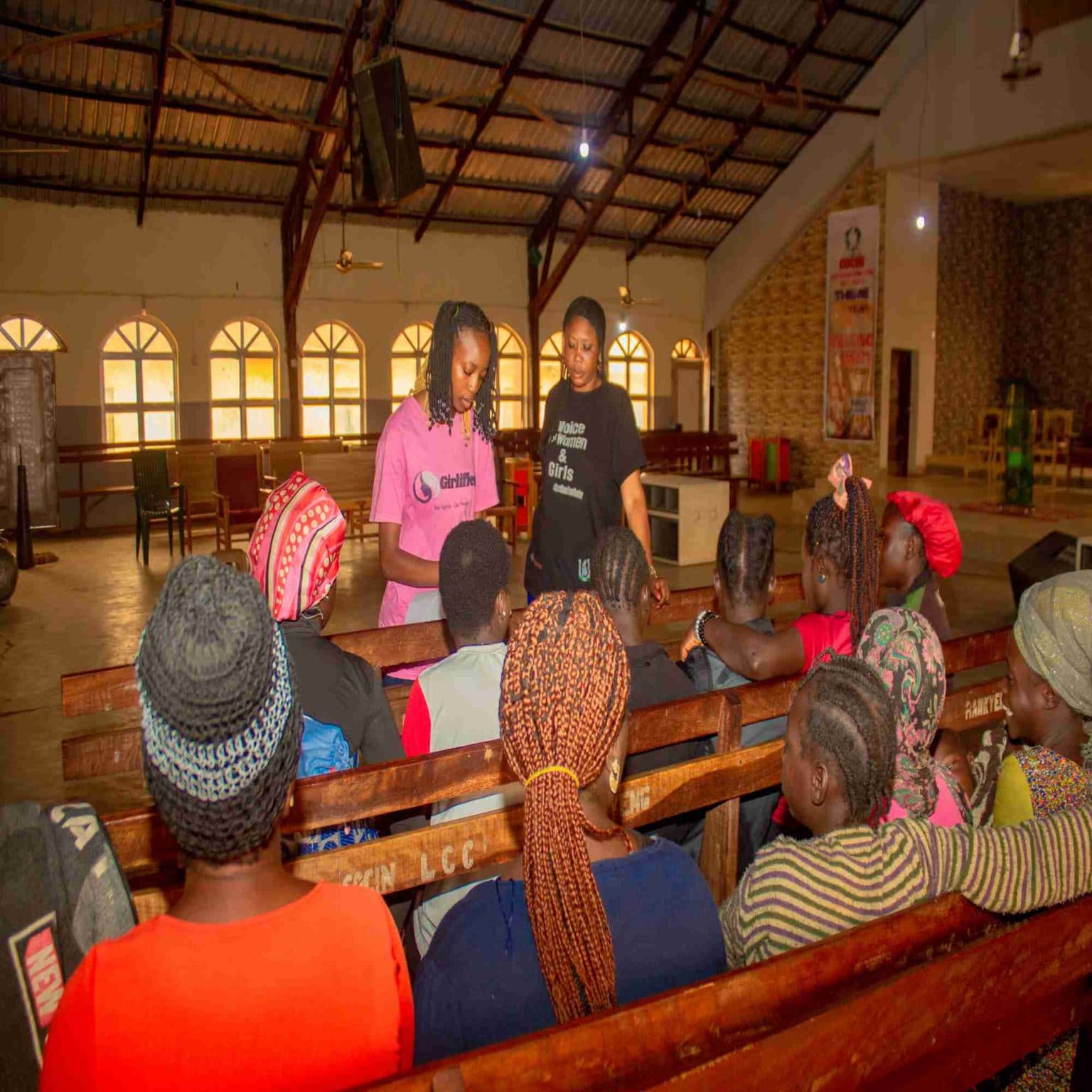
Doris Gyang engaged 11 women—9 teenagers and 2 adults. They discussed discomfort while using sanitary pads and deduced that pad material often isn't thick enough to hold a large amount of blood. They experience a peppering feeling with certain pads and suffer from tiny rashes. Some do not use pads at all, instead using wrappers which they wash and reuse, causing infections that alter their period cycle.
They all attested that the price of pads was rising, which brought about the use of wrappers for some. Those who could afford cheaper pads used them despite discomfort. They would love pads that are cheaper and more numerous in a pack. They all answered “No” when asked whether they knew plastic pollution is a problem today and that a conventional pad contains as much as 90% plastic—and were educated on the facts and figures surrounding it.
One lady mentioned Joyland as her preferred sanitary pad because of the price. Another mentioned Always, without a specific reason. Asked what they would change, they said price should be cheaper, thickness improved, quantity in a pack increased, colour changed to black or brown, and pad size big enough to accommodate heavy flow. On disposal, some tie pads in polythene bags and throw them into the bush, bury them, or burn them. One teenager washed her pad before disposing of it, believing her blood could be used to harm her.
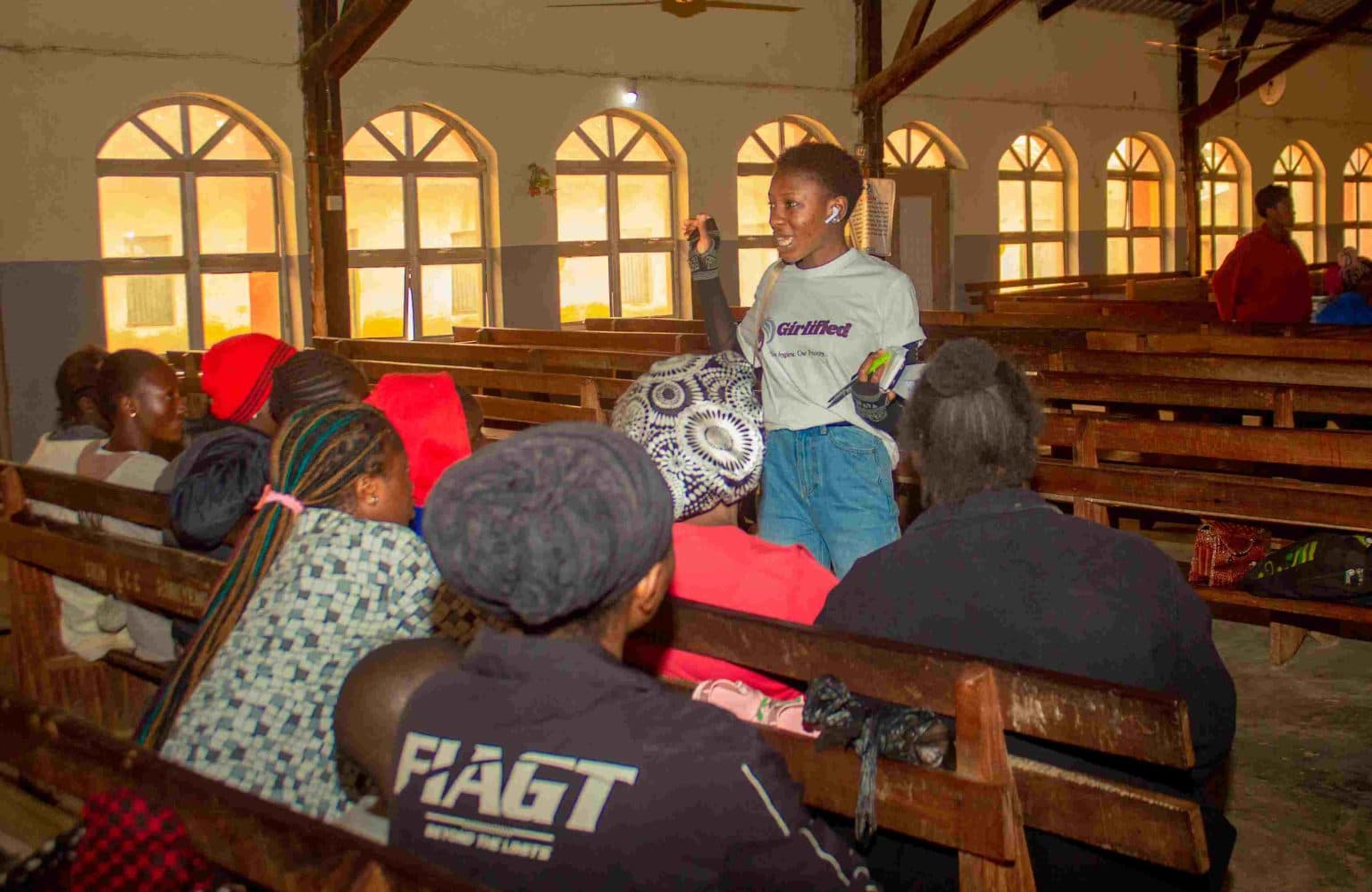
Biola Adediran engaged 15 teenage women. Recurring discomforts included itches, an uncomfortable feeling from methylated pads, and rashes after periods linked to napkin choice. They complained about high prices and suggested NGN300 ($0.69) for a pack of 8, or even NGN250 ($0.58) for 8 pieces, and NGN500 ($1.16) for a pack of 12. Ninety percent preferred Always because of its longer length. Changes they wanted included thickness for heavy flow, length, and greater absorbency.
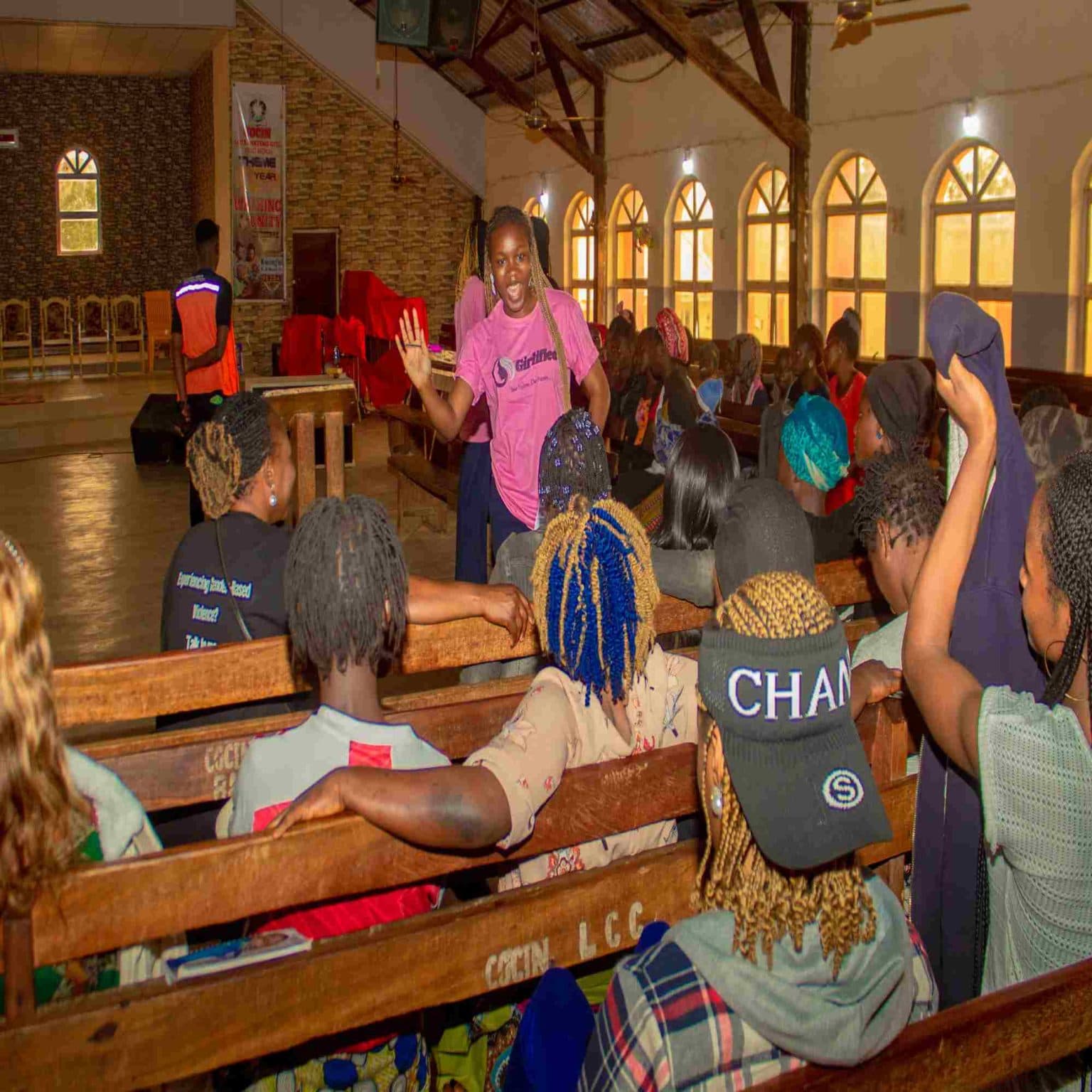
Esther Danladi spoke with 16 women and 9 girls. Discomforts included Drylove being too short and Virony not sticking well to panties. NDK and Drylove did not last some through the day. Price was a major hindrance; they wanted a pack of 8 pads to range from NGN 250–300. Most knew little about global plastic pollution and how much sanitary pads contribute to it. Some preferred children's diapers for stickiness and longevity; others liked Trust for feel and NDK because it does not leak. Desired changes included thicker and softer pads, panty liners, more pieces per pack, lower price, better absorption, greater length and width, and stronger stickiness.
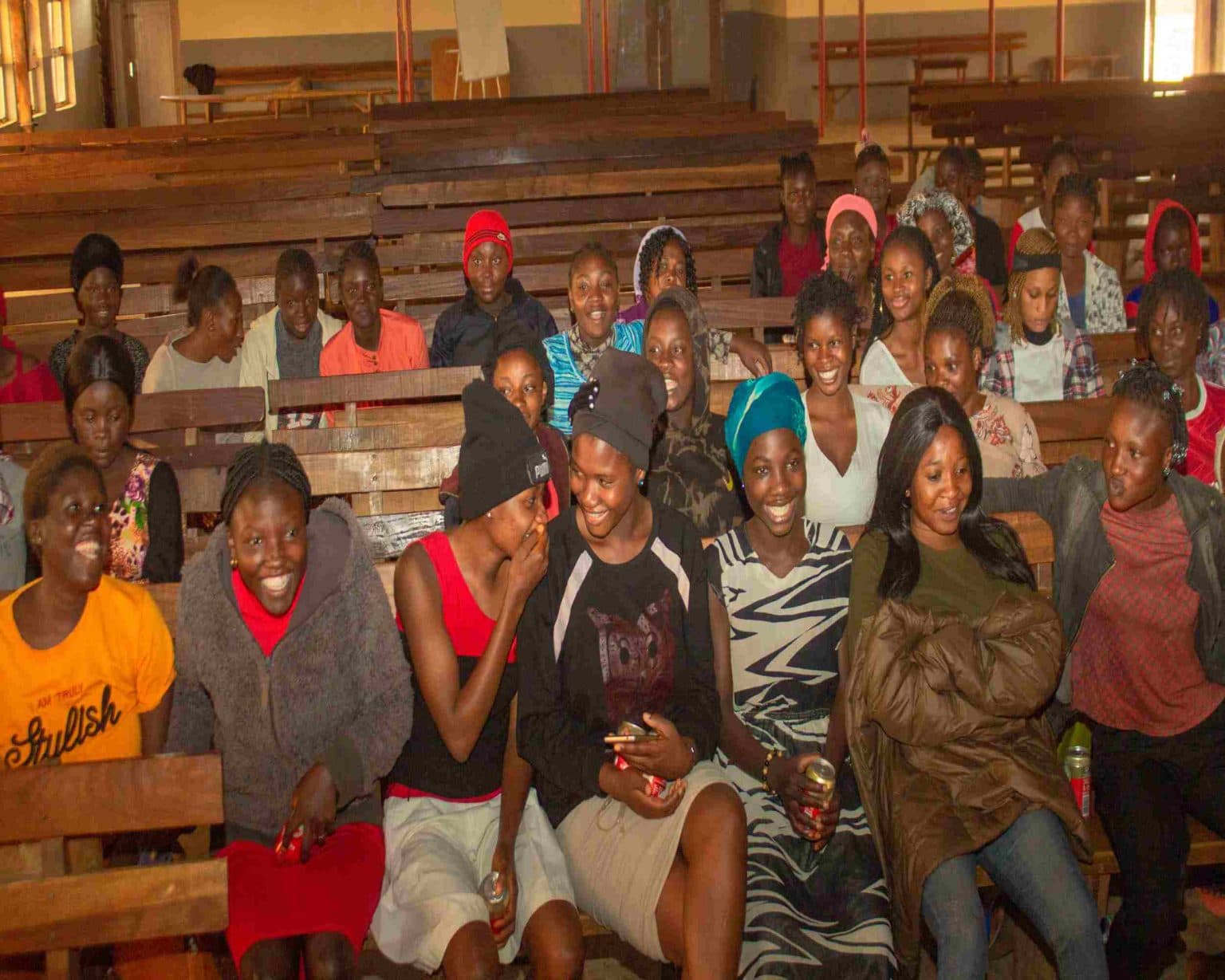
Faith Ameh discussed with 17 girls. One complained of a burning sensation after about two hours of using Always. About two complained of shifting pads that cause staining. Two older ladies said that in some months they could not afford pads and used rags and tissues instead. Younger teens used Joyland (3 pieces at NGN150 / $0.34) and felt the price was okay. They understood plastic littering locally but were largely unaware of ocean effects until the briefing. Preferences included Always for length, Virony for shorter comfort, and Joyland for price. One wanted greater absorbance so she would not need to double pads; others spoke about length and prices. Disposal methods included burning, burying, public dump ‘bola’, or holes in fence blocks. Younger ones feel uncomfortable buying pads when males are around; periods last 2–7 days, and they use a single pad for 2–7 hours.
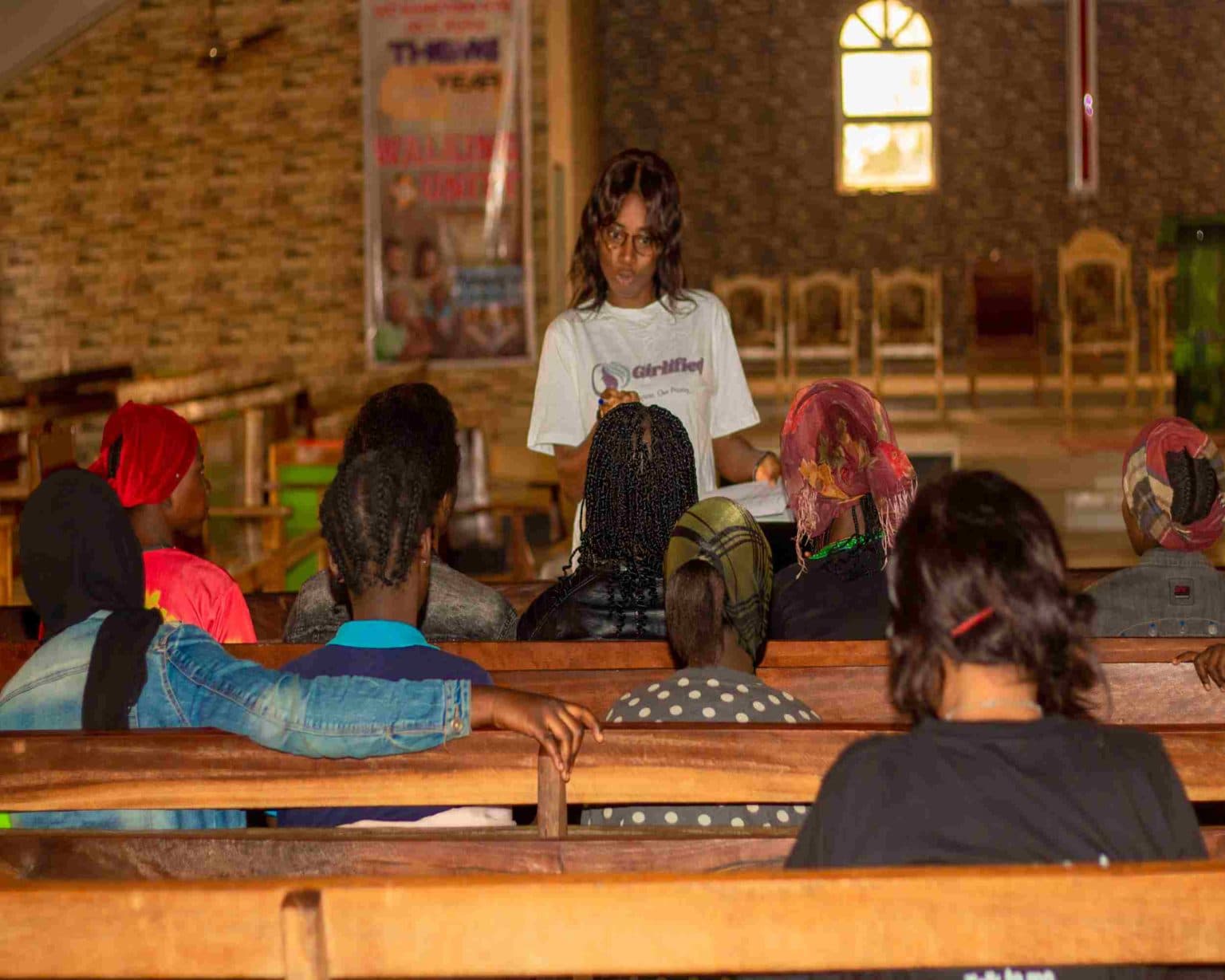
Sarah Dariye was assigned to 14 females. Complaints included rashes between the thighs, itching, specific odours within 30 minutes to an hour, peeling of the top layer and scattering of cotton, pain and injury between the thighs, shifting pads, insufficient thickness and length, rough top layers, vaginal pain, and thighs turning red. Price is a big problem—they want quantity worth the price, and more affordable packs so they are not left using rags when prices rise. A few knew about plastic pollution; one explained it in Hausa. Preferred brands included Always, NDK, Trust, and Joyland. Desired changes: remove mint/peppery additives, improve stickiness, and prevent cotton from scattering inside.
Further discussions covered proper disposal, biodegradable products, and embarrassing public-period experiences. At the end, a final 20-minute feedback session was held with 18 ladies who had tested Girlified pads for two weeks—learning how different users react and where improvements are needed.
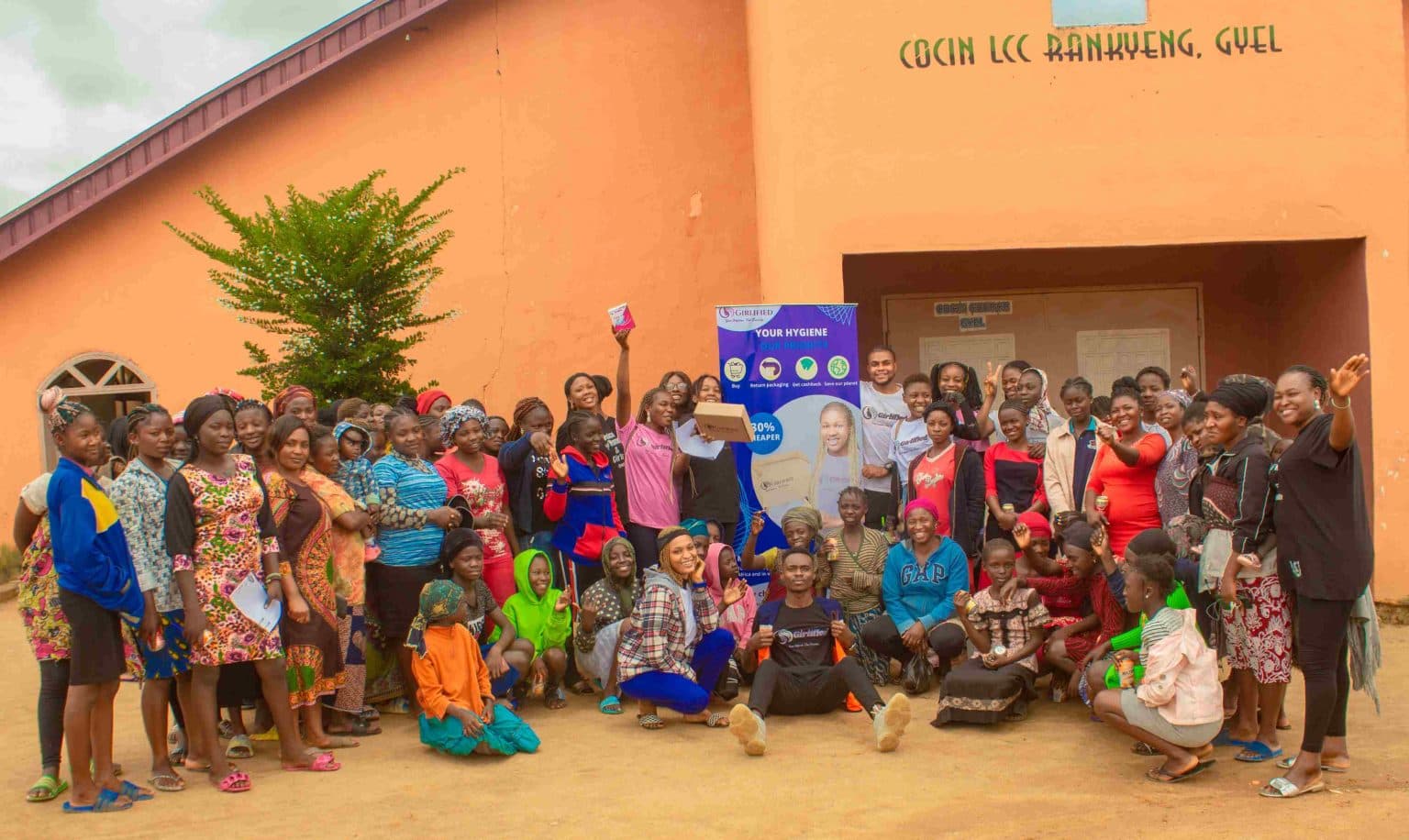
From the whole session, we have discovered that period poverty is indeed a problem for the comfort and menstrual hygiene of a lot of ladies in our region. We can draw this conclusion since the Rankyeng community, among other communities in our region, is not unique in its below-average income level. For this reason, we are developing Girlified to meet the needs of these ladies while giving them the unique sense of saving our oceans from plastics.